
Campania is one of Italy's richest regions in history, art and natural landscapes. From art cities to archaeological sites, from the Amalfi Coast to inland villages, it offers unforgettable experiences for all types of travelers. In recent years, the region has taken important steps to make tourism more accessible and inclusive, also opening the doors to those who move in wheelchairs or have reduced mobility.

Visiting Campania in an accessible way means being able to enjoy its culture, gastronomy and views without barriers, combining relaxation, art and unique experiences. In this guide you will find everything you need to plan a peaceful and stress-free trip: itineraries, museums, archaeological sites, transportation and practical tips.

Campania's best accessible destinations

Here is a more "elongated" and flowing version of your text, keeping all the information and enriching it with details and smoother transitions:


Pompeii - "Pompeii for All"

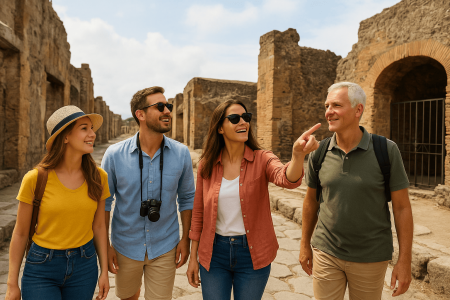
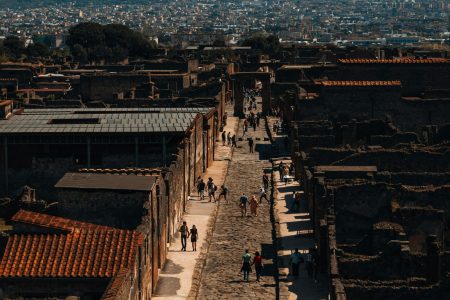
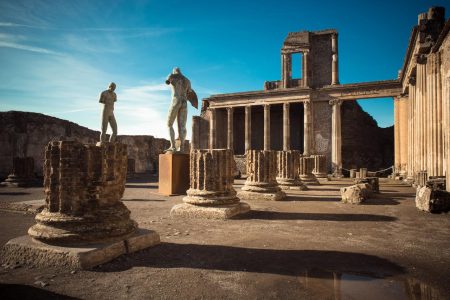
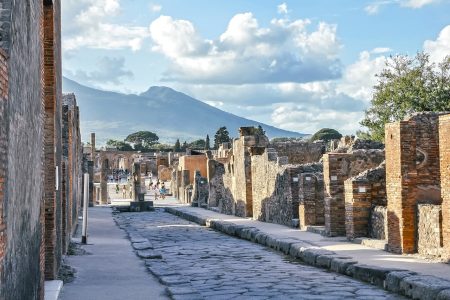
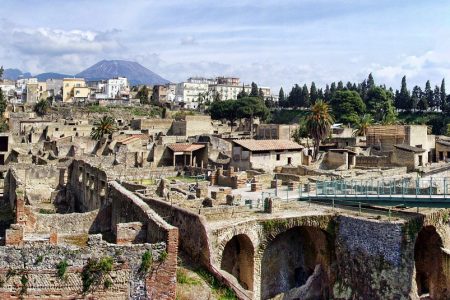
Pompeii is undoubtedly one of Campania's most iconic destinations, an archaeological site that chronicles the life of an extraordinarily well-preserved ancient Roman city. To make the experience usable for everyone, a route called "Pompeii for All", designed specifically for people with reduced mobility. Among the main features:

  • Level paving in main areas for easy movement

  • Footboards and handrails to overcome any differences in height

  • Elevators and ramps that provide access to the most significant places

  • Possibility to visit the main domus and archaeological structures in total safety

Visiting Pompeii in December and January offers an added advantage: the cooler temperatures and fewer tourists make walking through the streets of the ancient Roman city a much more pleasant and relaxing experience.

Naples - Accessible culture, history and traditions

Naples is a vibrant city, rich in art, history and tradition, and is increasingly equipping itself to welcome visitors with special needs. Among the accessible destinations:

  • National Archaeological Museum of Naples: has elevators, dedicated pathways, and wheelchairs available to visitors

  • Museum of Capodimonte: allows you to move easily among masterpieces by Caravaggio, Raphael and other great masters

  • Historical center: some pedestrian streets and the waterfront are accessible, although some areas retain uneven pavements

  • Public transportation: some subway and bus lines are equipped for people with reduced mobility

In December, Naples is transformed into a magical city thanks to the Christmas markets, handcrafted nativity scenes, illuminations and decorations that enliven the streets and squares, providing a unique atmosphere that can be perfectly enjoyed even by those with accessibility needs.

Royal Palace of Caserta - Art and comfort

The majestic Royal Palace of Caserta, a UNESCO World Heritage Site, offers an extraordinary cultural and artistic experience without sacrificing comfort for visitors with reduced mobility:

  • Accessible entrance and dedicated pathways

  • Elevators to reach the upper floors and exhibition areas

  • Gardens accessible by shuttles or level paths

  • Staff trained to welcome and assist visitors with special needs

The vast spaces of the palace and its magnificent Baroque gardens guarantee an unforgettable experience. Visiting the Reggia in winter means avoiding the summer crowds and enjoying a walk between art and nature in total tranquility.

Salerno - Artistic lights and accessible city center

Salerno is considered one of the most accessible cities in Campania. The city offers:

  • Flat and easily walkable waterfront and city center

  • Fully accessible Christmas markets and events

  • Artist Lights, the famous festival of lights and art installations, also usable by wheelchair users

In addition, Salerno can be a strategic base for exploring the Amalfi Coast thanks to organized tours with accessible vehicles, thus allowing you to experience all the beauty of the region without sacrificing comfort and safety.

You might be interested

Amalfi Coast and Sorrento Peninsula - Beauty without Barriers

The Amalfi Coast is world-famous for its breathtaking views, sheer cliffs, colorful villages, and quaint narrow streets. It is also famous for its climbs and narrow alleys, which can be a challenge for those with limited mobility. However, today some areas are made accessible through dedicated paths, equipped facilities, and organized tours designed for wheelchair users.

  • Sorrento: known for its flatter streets than other coastal towns, Sorrento offers elevators, ramps, and numerous accessible hotels and restaurants, perfect as a base for exploring the entire peninsula.

  • Private tours and adapted vehicles: to reach iconic cities such as Amalfi, Ravello and Positano, you can rely on dedicated tours with equipped vehicles, which ensure safe and comfortable travel even along the winding roads of the coast.

  • Viewpoints and accessible gardens: some of the Coast's most striking attractions are accessible to all. These include the famous Villa Rufolo in Ravello, with its scenic gardens overlooking the coast, offers level paths and strategic resting points to take in the view without difficulty. Other lookouts can be reached by ramps or slightly adapted paths, allowing unforgettable views of the sea and the cities below.

It is always advisable to inquire in advance about the characteristics of the chosen route, especially in the steepest locations or those with uneven pavement, but thanks to guided tours and dedicated services, the Amalfi Coast can also be experienced in complete safety and comfort.

The Sorrento Peninsula, with its inlets and views of the Gulf of Naples, completes the Campania experience. In addition to Sorrento, you can visit places like Massa Lubrense and Sant'Agnello, where some beaches, restaurants, and coastal paths are accessible to people with reduced mobility. The combination of sea, nature, and culture makes the peninsula a perfect stop for those who want an inclusive experience without sacrificing the beauty and charm typical of the region.

In general, Campania confirms itself as an ideal destination for accessible travel: from the history of Pompeii and Caserta, to the culture and tradition of Naples and Salerno, to the spectacular views of the Amalfi Coast and Sorrento Peninsula. Thanks to dedicated routes, equipped facilities and inclusive tours, wheelchair users can enjoy an experience full of emotions and discoveries, without barriers.

To visit Campania is to unite art, culture, sea, nature and traditions in total serenity, with the security of being able to enjoy every corner of the region without giving up, even for those with special mobility needs.